Planning a city tours in Dubai trip and feeling a bit lost with all the options out there? I get it this city throws everything at you at once. Ancient markets selling frankincense next to buildings that look like they’re from a sci-fi movie. It’s a lot to take in, but that’s exactly what makes it so exciting.

After spending considerable time exploring every corner of this city, I’ve figured out what works and what doesn’t. Let me share what I’ve learned about making the most of your Dubai visit without the usual tourist traps.
Why You Actually Need a Proper City Tour
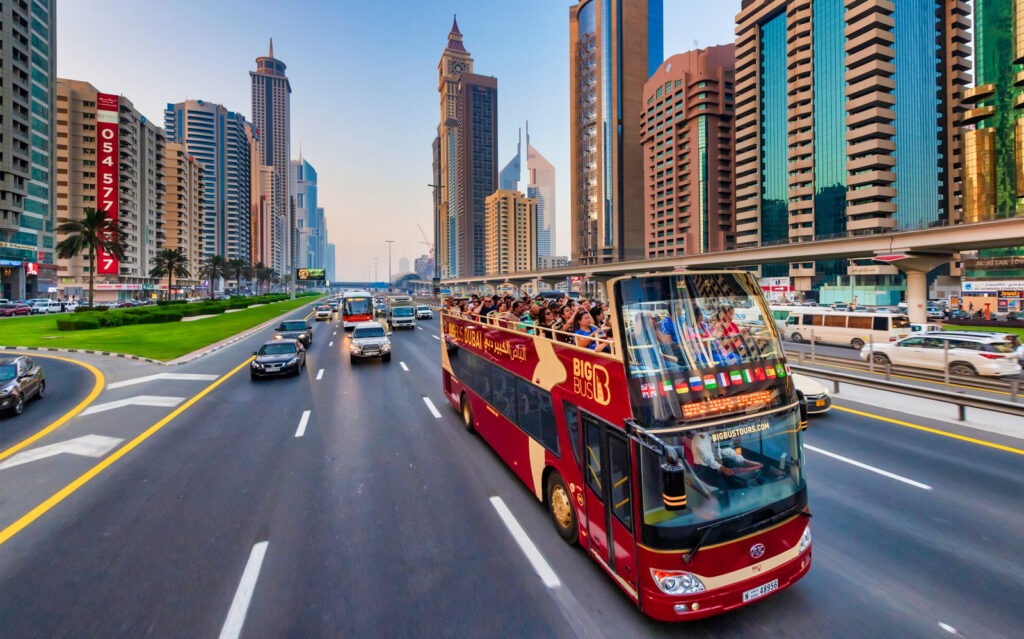
Dubai sprawls across the desert in ways that genuinely surprise first-time visitors. The old trading districts sit nearly an hour’s drive from the Marina’s glittering towers. Trying to navigate this yourself means spending half your vacation stuck in traffic or confused about metro connections.
What changed my experience was finding guides who actually live here people who know that the best shawarma spot isn’t in any guidebook, or which time to visit Burj Khalifa when the observation deck isn’t packed with tour groups.
You’re not just seeing buildings and beaches. You’re understanding how pearl divers and Bedouin traders built something that became this wild mix of old-world souks and record-breaking skyscrapers.
The Spots You Can’t Skip (And Some Context That Matters)
Burj Khalifa: Beyond the Instagram Shot
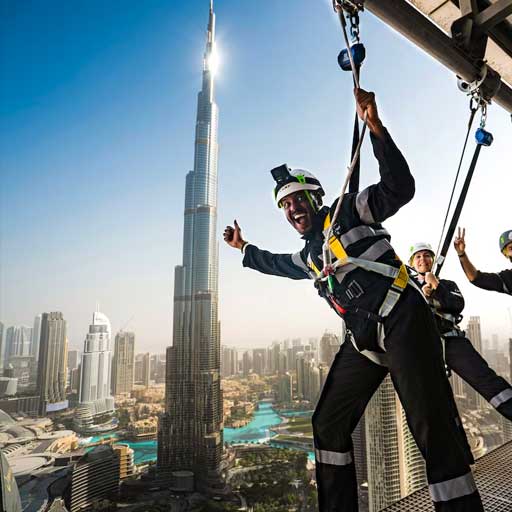
Standing underneath this thing does something to your sense of scale. It stretches 828 meters straight up, and your neck actually hurts trying to see the top. But here’s what most tourists miss going up at sunset isn’t just about pretty colors in the sky.
Watch the city transform below you. The desert goes copper and gold, the Gulf shimmers, and you can trace the lines of old Dubai Creek where everything started. One of the observation deck staff told me they see people cry up there sometimes. Sounds dramatic, but I sort of get it now.
Skip the peak afternoon hours if you can. Morning visits give you clearer air for photos, and honestly, fewer people blocking the windows while they pose for their hundredth selfie.
Dubai Marina: More Than Just Rich People’s Yachts
Yeah, there are expensive boats everywhere. But walk the Marina promenade at dusk and you’ll see why locals actually hang out here. Families bring their kids to the waterfront parks, couples walk hand-in-hand along the boardwalk, and the whole place has this unexpected village-within-a-city feel.
I once sat at a Marina cafe for three hours just watching. Ethiopian waiters serving Turkish coffee to Russian tourists while Emirati families shared meze nearby. That’s Dubai in a nutshell—everyone bringing their own story to this desert crossroads.
The Marina Walk goes on for seven kilometers. You don’t need to walk the whole thing, but find a section away from the main restaurant clusters. That’s where you get the best photos without strangers’ elbows in every shot.

Palm Jumeirah: Still Can’t Believe This Is Real
Flying into Dubai, the pilot pointed out the window at Palm Jumeirah. From the air, this artificial island looks exactly like a palm tree stretching into the Persian Gulf. Humans built this. With dredgers and cranes and apparently unlimited ambition.
The monorail ride down the palm’s central trunk gives you the scale of this project. Atlantis resort sits at the far end like some lost city rising from the water. Even if you’re not staying there, the journey out and back helps you grasp the engineering madness behind it all.
Some tour operators include yacht trips around the palm. Worth it if you’ve got the budget—seeing those private villas and luxury hotels from the water side adds perspective you don’t get from the monorail.
Dubai Frame: The Contrast That Explains Everything
This giant picture frame standing in Zabeel Park shows you Dubai’s split personality in the most literal way possible. One side frames the old neighborhoods—low-rise buildings, minarets, the creek where trade dhows still dock. Turn around, and the other side frames that forest of glass and steel towers.
The glass walkway at 150 meters up makes your stomach flip a bit, but that nervous energy gets everyone laughing and loosened up. Ground floor has exhibits about Dubai’s transformation from fishing village to global city. Spend time there before heading up—the context makes the views mean more.
Choosing Your Tour Style Without Getting Overwhelmed
Group or Private: What Actually Works
Group tours cost maybe $60-$90 per person for half a day of sightseeing. You’ll meet travelers from everywhere—I’ve shared tours with Australian retirees, Indian newlyweds, and British gap year students all in one van. Something nice about experiencing those “wow” moments with strangers who become temporary friends.
The trade-off? Fixed schedules. If you’re fascinated by the textile souk and want to browse longer, too bad—the group’s moving on. Everyone gets exactly 20 minutes at each stop whether they need two minutes or forty.
Private tours run $300 and up, sometimes hitting $800 if you’re adding extras like yacht rides or helicopter tours. But that flexibility matters more than I expected. Jet-lagged and need to start later? Your guide adjusts. Want to skip the shopping stop and spend more time at the heritage village? Done.
I’ve done both types plenty of times. Solo or with just one other person? Group tours work fine and you save money. Traveling with family or friends who have specific interests? Private tours eliminate the frustration of compromises.
Half-Day vs Full-Day: The Honest Time Breakdown
Half-day tours (running about four to five hours) cover either modern Dubai or traditional areas, not both. You’ll see Burj Khalifa, Marina, and Palm Jumeirah on a modern tour. Or you’ll explore the souks, Al Fahidi historical district, and old Dubai neighborhoods on a heritage tour.
These shorter tours work perfectly for cruise passengers on tight schedules or business travelers squeezing in sightseeing between meetings. You’ll get a solid introduction to one side of Dubai without feeling rushed.
Full-day tours stretch from morning through late afternoon, covering eight to ten major attractions. Most include lunch—usually at a restaurant with views of the creek or Marina. You’ll bounce between old and new Dubai, traditional and modern, understanding how they connect.
My recommendation for first-timers? Take the full day if you can. You’ll be tired by evening, but you’ll have the complete picture. Half-day tours leave you wondering about the parts you missed.
Experiences Beyond Standard Sightseeing
Desert Safari: Understanding Where Dubai Actually Comes From
I almost skipped this. “Tourist trap,” I thought. “Overpriced dinner show in the sand.” Man, was I wrong about that.
Here’s what the desert safari taught me: everything in Dubai exists because people survived in this harsh environment first. Before the towers and malls, Bedouin tribes crossed these dunes with camels and navigated by stars. Pearl divers worked in the Gulf’s brutal heat. This place required serious toughness.
The safari starts with dune bashing your driver attacks these massive sand dunes in a 4×4, sending the vehicle sliding and jumping. Everyone’s screaming and laughing as sand sprays everywhere. It’s part roller coaster, part off-road race, completely exhilarating.
Then you reach the desert camp as the sun starts dropping. The temperature cools down, the sand turns golden, and suddenly you’re drinking cardamom coffee while someone demonstrates falconry. Dinner happens after dark grilled meats, Arabic salads, fresh bread—while performers do traditional dances under the stars.
Book the sunset departure. Watching that sun sink behind endless dunes while everything glows orange and red—that’s the moment Dubai clicks into place. You see where it all started.
Dhow Cruise: The Evening That Slows Everything Down
After running between attractions all day, climbing observation towers, and battling souk crowds, the dhow cruise gives you time to just breathe.
These traditional wooden boats carried cargo and pearls up and down the Gulf for centuries. Now they’ve been converted into floating restaurants air conditioning below deck, open-air seating on top, and dinner buffets mixing Arabic dishes with international options.
Dubai Creek cruises take you past the old trading ports where goods still arrive by boat. You’ll see warehouses, traditional dhows loading cargo, and neighborhoods that haven’t changed much in decades. Then you turn around and modern buildings light up the night sky behind you.
Marina cruises give you the contemporary experience sailing past superyachts and skyscrapers, every tower trying to outshine the others with fancy light displays.
Both work beautifully. Creek cruise for heritage vibes, Marina cruise for modern glamour. I slightly prefer the creek something about seeing old trading dhows lit by modern city lights creates this perfect Dubai contrast.
Sunrise Balloon Rides: Trading Sleep for Something Unforgettable
My phone alarm went off at 4:15 AM and I seriously questioned my life choices. Dark outside, warm bed, and I’d committed to standing in the desert before sunrise. The pickup van arrived right on schedule, and there I was groggy and clutching coffee while we drove into complete darkness.
But then we reached the launch site. Watching those massive balloons inflate against the pre-dawn sky, flames shooting up to fill the envelope suddenly I wasn’t tired anymore. There’s something primal about fire and flight that wakes you right up.
The basket lifted off so smoothly I barely noticed we’d left the ground. No engine roar, no mechanical sounds just the occasional whoosh of the burner and wind rushing past. As the sun crept over the horizon, the desert came alive in shades I didn’t know sand could be. Burnt orange, deep crimson, soft pink, all shifting as the light changed.
Our pilot pointed down at a group of Arabian oryx moving across the dunes. Their white coats stood out sharply against the red sand. Further on, we spotted camels just wandering around, totally unconcerned about the giant balloon drifting overhead. The pilot had grown up in Dubai back when the city was much smaller, and he shared stories about his grandfather crossing these same dunes by camel.
We floated for maybe an hour, though time felt weird up there. Too short and too long at the same time. The landing was surprisingly gentle just a slight bump as the basket touched down. The ground crew was already there with a traditional breakfast spread in the desert.
Yeah, it costs more than other tours. And yes, that wake-up time hurts. But I’ve done plenty of Dubai activities, and this one still sits at the top of my list. There’s something about floating silently over ancient desert while the city wakes up in the distance that puts everything else in perspective.
Walking Through Old Dubai: Where Quiet Actually Exists
You wouldn’t think quiet exists anywhere in Dubai, but the Al Fahidi historical neighborhood proves otherwise. These narrow lanes between traditional coral-stone houses stay shaded most of the day, and the temperature drops noticeably once you step inside.
Those distinctive wind towers you see aren’t just decoration they’re 19th-century air conditioning. Designed to catch even the slightest breeze and funnel it down into the house below. Stand under one and you’ll feel the temperature difference. Simple physics, but it kept people alive through Dubai summers before electricity showed up.
Now these restored buildings house small galleries, textile shops, and cafes where you can actually sit in peace. I found one cafe tucked in a corner courtyard where the owner served traditional Emirati coffee with dates. We talked for over an hour about how his grandfather had lived in one of these houses back when the neighborhood was just regular homes, not a heritage site.
The Dubai Museum sits inside the old Al Fahidi Fort built in 1787, which makes it ancient by Dubai standards. Life-size dioramas show pearl diving, traditional homes, old souks, desert life. Not flashy or high-tech, but honest about what life looked like here before oil money changed everything.
Most tours rush through in maybe fifteen or twenty minutes. Big mistake. Give yourself at least an hour here. Wander the narrow alleys, peek into the galleries, sit in a courtyard and just listen to the absence of traffic noise. This neighborhood shows you what Dubai was before it became what it is.
Dubai’s Cultural Side That Most Tours Rush Through
The Souks: Where Bargaining Is Theater
Modern Dubai has more shopping malls than seems physically possible (seriously, there’s one with an indoor ski slope in the desert). But the traditional souks offer something climate-controlled retail can’t touch—personality.
The Gold Souk literally dazzles. Shop after shop displays more gold jewelry than you’ve probably seen in your entire life. Even if you’re not buying, watching craftsmen work the gold and seeing designs from every culture that’s passed through Dubai—it’s mesmerizing.
Walk into the Spice Souk and your nose takes over. Mountains of saffron, cardamom, dried limes, frankincense, and spices you can’t identify. Shopkeepers call out, offering samples, explaining uses, sharing recipes their grandmothers taught them.
Bargaining tip from a shopkeeper who took pity on my terrible negotiation skills: Start at half the asking price. They’ll act offended, but it’s theater. Counter their counter-offer. Smile, chat, maybe share some tea. The conversation matters as much as the transaction. If they won’t budge below a certain price, thank them and start walking away. Half the time they’ll call you back with a better offer.
This isn’t about getting the cheapest price—it’s about participating in a tradition that’s been part of Middle Eastern commerce for millennia. Embrace it.
Eating Your Way Through Dubai’s Real Neighborhoods
You know what tells Dubai’s multicultural story better than anything? The food. Indians, Filipinos, Pakistanis, Iranians, Lebanese, Egyptians everyone brought their recipes and cooking traditions when they came here. The fancy hotel restaurants get all the press, but the real story unfolds in neighborhoods like Deira and Bur Dubai.

I joined a food tour last year that changed how I understood this city. Our guide, Fatima, had lived in Dubai for thirty years and knew every hole-in-the-wall worth visiting. First stop was a Lebanese place tucked behind a electronics market literally just six tables and a kitchen. The owner, Abu Mohammed, has been making shawarma there since 1989. His version includes pomegranate molasses that I’ve never tasted anywhere else. We stood on the sidewalk eating, juice dripping down our hands, while he told us about arriving in Dubai with $200 and a dream.
Next came a Pakistani restaurant where construction workers eat breakfast before heading to job sites. Massive platters of halwa puri fried bread with chickpeas and semolina pudding. Costs maybe two dollars and fills you completely. The owner’s son explained how his father started with a food cart and slowly built up to a proper restaurant.
We hit an Iranian cafe making stews and flatbreads exactly like Tehran, an Indian spot doing dosas that crackled perfectly crispy at the edges, and a small Emirati restaurant where the owner’s mother still cooks machboos spiced rice with tender meat using her grandmother’s recipe.
But beyond tasting amazing food, we heard stories. Why people came to Dubai, what they missed from home, how they built businesses and lives in this desert city. A Syrian baker talked about recreating the exact flour blend he used in Damascus. A Filipino woman described adapting her mother’s adobo recipe to local ingredients.
These tours run three or four hours and leave you full, but more than that you understand Dubai isn’t just Emiratis and tourists. It’s dozens of communities who’ve built this place together, each adding their own flavor. Literally.
Off-Script Dubai: The Spots Tour Groups Skip
Where Young Dubai Gets Creative
Most city tours in Dubai stick to the obvious hits Burj Khalifa, check. Souks, check. Marina, check. But there’s this whole other Dubai that standard tours completely miss.
I stumbled onto Alserkal Avenue by accident. Got lost trying to find a cafe someone had recommended and ended up in the Al Quoz industrial area warehouses, garages, not exactly tourist territory. Then I walked past this warehouse with glass doors showing art installations inside, and music drifting out from a cafe next door.
Turns out this former industrial zone has transformed into where Dubai’s creative scene actually happens. Contemporary art galleries showing work by Emirati and regional artists, design studios selling handmade furniture and jewelry, specialty coffee shops that would fit right into Brooklyn or Berlin. The vibe couldn’t be more different from glossy downtown Dubai concrete floors, exposed ductwork, street art covering exterior walls.
I spent a Friday afternoon there wandering between galleries. One showed photography documenting life in Dubai’s labor camps powerful, uncomfortable stuff you won’t see in tourist brochures. Another had an interactive installation about water scarcity in the Gulf. A design shop sold beautiful handwoven textiles made by Emirati women using traditional patterns.
The crowd was young Emiratis in trendy clothes, expat creative types, serious art collectors. At a cafe, I overheard conversations in Arabic, English, French, Urdu all mixing together over flat whites and cold brew.
Weekend evenings bring cultural events film screenings, artist talks, live music. Check their calendar online before going because catching an opening or event makes the visit even better. This is Dubai’s creative community showing you there’s depth beyond the luxury and excess.
Mountain Escape That Nobody Expects
An hour and a half from Dubai’s urban sprawl, Hatta sits in the Hajar Mountains looking nothing like what people imagine the UAE to be. Jagged peaks, cooler air, and this bright turquoise reservoir that seems impossible in the desert.
I drove up there on a particularly hot Dubai summer day when the city felt suffocating. The temperature dropped as the road climbed into the mountains, and suddenly instead of flat desert, there were valleys and peaks stretching toward Oman’s border.
The old heritage village shows how mountain communities lived differently from coastal traders. Houses built from mud-brick and palm fronds, traditional falaj irrigation channels cut into rock, defensive towers watching over the settlement. A local guide explained how Hatta’s location made it a strategic point between coast and interior, between Emirates and Oman.
But honestly? I came for the dam. This turquoise reservoir surrounded by brown mountains creates scenery that photographs don’t quite capture. You can rent kayaks or pedal boats and get out on the water. After Dubai’s heat and concrete and traffic, splashing around in cool mountain water felt borderline miraculous.
Hiking trails wind through the surrounding mountains if you’re into that. I’m not particularly outdoorsy but even I enjoyed the shorter trails just being surrounded by rock and quiet instead of towers and traffic noise.
A few tour companies offer Hatta day trips now. Perfect if you’ve got an extra day and want proof that the UAE offers more than desert and beaches. Pack layers mountain temperatures surprise people used to Dubai’s heat.
La Mer: Beach Life Without the Hotel Price Tag
La Mer beach combines sand, street art, boutique shops, and diverse restaurants in a laid-back setting that actually feels local. Unlike the massive resort beaches, La Mer attracts Dubai residents families with kids building sandcastles, groups of friends playing beach volleyball, couples walking the waterfront.
Colorful murals cover walls throughout the development, creating Instagram opportunities that aren’t as forced as some Dubai photo ops. Food options range from healthy smoothie bowls to gourmet burgers to Arabic grills.
Come late afternoon when the heat breaks. Enjoy the beach, watch the sunset, then grab dinner and hang around as the evening crowd arrives. It’s Dubai without the constant “wow” factor just a nice beach neighborhood where people relax.
When to Visit Dubai (The Real Talk Version)
November through March brings perfect weather temperatures in the low 20s to high 20s Celsius, sunny days, comfortable evenings. This is peak season for good reason. You can walk around comfortably, outdoor tours work beautifully, and beach time feels amazing.
The downsides? Crowds at major attractions, higher hotel prices, and tour costs that reflect seasonal demand. Restaurants in tourist areas get packed, and you’ll wait in lines at popular spots.
Book well in advance if you’re traveling during these months. Hotels fill up, especially around holidays and major events like the Dubai Shopping Festival.
April to October cranks up the heat. Summer months regularly hit 40°C and higher we’re talking “stepping outside feels like opening an oven” levels of hot. Humidity adds to the misery, making even short walks exhausting.
But summer visits have advantages: hotel rates drop significantly, tour operators offer discounts, and major attractions are wonderfully empty. Indoor activities museums, malls, restaurants work perfectly, and early morning or evening tours avoid the worst heat.
Several times I’ve had entire sections of the Gold Souk nearly to myself during summer mornings. No crowds, cooler temperatures (relatively), and shopkeepers with more time to chat since they’re not mobbed with tourists.
If you handle heat reasonably well and don’t mind adjusting your schedule around it, summer visits can work. Just stay hydrated, embrace indoor activities during peak heat, and schedule outdoor exploration for early morning or after sunset.
Making Your Tour Experience Smooth
Dressing for Dubai: Finding the Balance
Dubai is more relaxed than some other Middle Eastern destinations, but showing cultural awareness goes far. For most attractions and modern areas, regular casual clothes work fine shorts, sundresses, t-shirts.
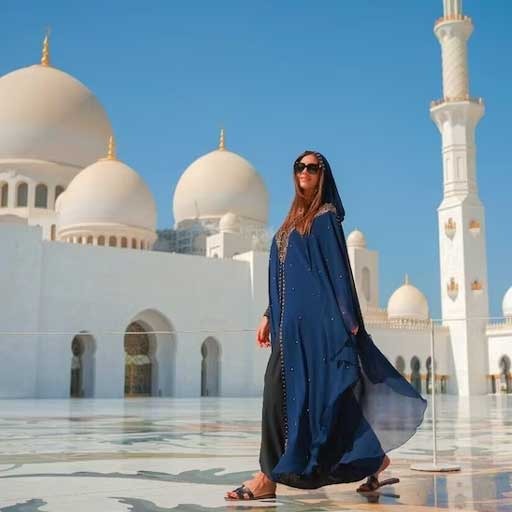
Mosques and heritage sites require more coverage. Shoulders and knees should be covered, and women often need headscarves for mosque visits. Many tours provide scarves if needed, but bringing a light scarf or shawl saves hassle.
The heat factor matters here. Light, breathable fabrics make a massive difference. Cotton and linen work infinitely better than synthetic materials when you’re walking through markets in 35°C heat.
Beach and pool areas expect normal swimwear. Just cover up when you leave—walking through a hotel lobby or restaurant in just a swimsuit isn’t appreciated.
Getting Around: Transportation Sorted
Booked tours handle transportation, which removes significant stress. Dubai spreads out enormously the distance from old Dubai to Palm Jumeirah covers more ground than many entire cities.
For independent exploration, Dubai’s metro is modern, clean, and reaches most major tourist areas. The Red Line especially connects key spots, and trains come frequently. Air conditioning in stations and trains provides relief from the outdoor heat.
Taxis are reliable and reasonably priced. Uber and Careem (regional ride-sharing) work smoothly throughout the city. Just expect surge pricing during peak hours or after major events.
A Nol Card (available at any metro station) works on metro, buses, trams, and even some ferry routes. Load money on it and tap in and out simple and convenient.

Photography: Capturing Your Dubai Experience
Dubai photographs beautifully. Those stunning images you’ve seen online? They’re not exaggerated or heavily edited (well, mostly not). The city genuinely looks that dramatic.
Golden hour—the time right after sunrise and just before sunset transforms everything. Soft, warm light makes buildings glow, the desert sand turns copper and gold, and harsh midday shadows disappear. Plan key photo opportunities around these times.
Most attractions welcome photography. Traditional souk areas vary always ask before photographing people directly. Many appreciate a respectful request, and sometimes they’ll ask for a small tip, which is fair.
Your smartphone probably takes photos that are perfectly adequate for memories and social media. Unless you’re a serious photography enthusiast, hauling heavy camera gear through Dubai’s heat might create more frustration than value.
Bring a portable charger. Between constant photo-taking, GPS navigation, and staying in touch, your phone battery drains faster than usual.
Your Dubai Journey Starts Here
After multiple visits and countless hours exploring this city, what stands out isn’t just the record-breaking buildings or luxury excess. It’s the layers underneath—stories of pearl divers and traders, Bedouin resilience meeting global ambition, dozens of cultures creating something entirely new in the desert.
Good city tours in Dubai understand this depth. They balance the iconic photo opportunities with genuine insight into how Dubai became what it is. You’ll get your Burj Khalifa sunset photos and your Gold Souk bargaining stories, but you’ll also understand the city’s journey from fishing village to global phenomenon.
At Safah Paradise Tourism, we’ve spent years crafting Dubai experiences that go beyond surface-level sightseeing. Our guides live here, love this city, and genuinely enjoy sharing its stories with visitors who want to understand what makes it special.
Whether you’re after the classic highlights, hidden corners, desert adventures, cultural deep dives, or customized experiences matching your specific interests—we’re here to make it happen.
Your Dubai story is waiting. Let’s make it worth remembering.
Ready to explore Dubai with expert local guides? Contact Safah Paradise Tourism today to book your unforgettable city tour experience.